
“I’ve lived here for 42 years” she said. “I raised my children here. I’ve seen a lot of changes.”
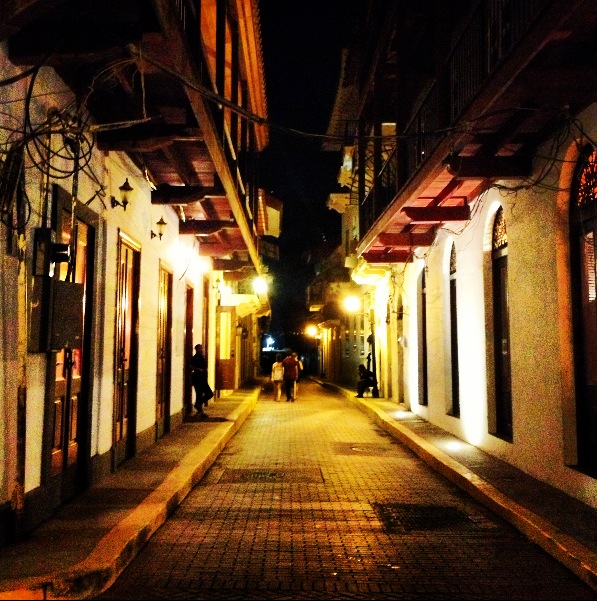
Almost every evening, Joaquin and I take a stroll around the neighborhood at dusk. In doing so, we always see the usual suspects: Dani having his 6pm drink outside of Manolo Caracol, a slew of local kids running rampant, Julio the “Bien Cuidado” who speaks to Joaquin in his Spanish Donald Duck voice, chatty ladies outside their shop fronts, the old banjo player in Plaza Francia, Mean Dog Lola, the list goes on. Occasionally, when we choose to head down Avenida A, we are lucky to get a wave from Amor. Sitting, propped on her elbow, in her white, plastic chair which she brings just outside her front door, Amor waves to Joaquin as we stroll by. Sometimes we stop and talk, sometimes not. Nonetheless, she is always wearing her black sandals, sitting in her usual nightdress, smiling at all who pass by, cars included. Amor has probably seen more happen in this neighborhood than anyone else I know…and she’s probably watched most of it all from her own living room.
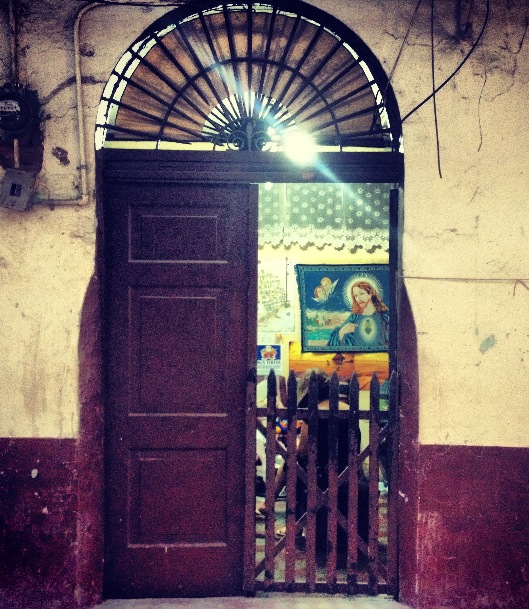
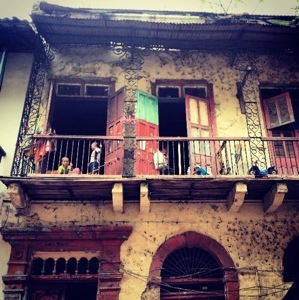
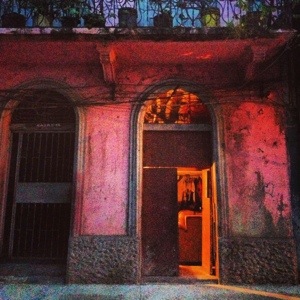
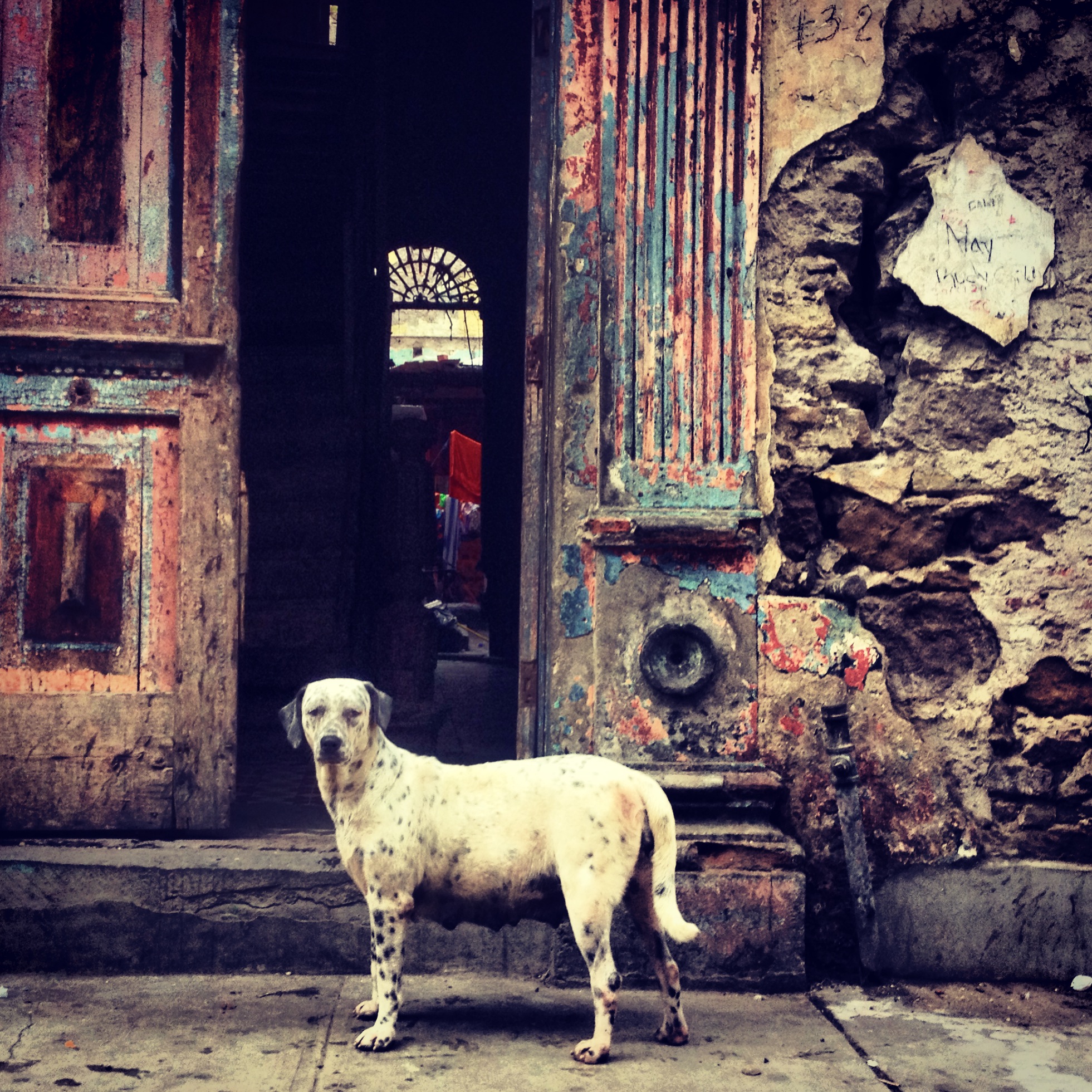
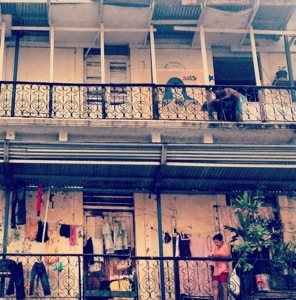
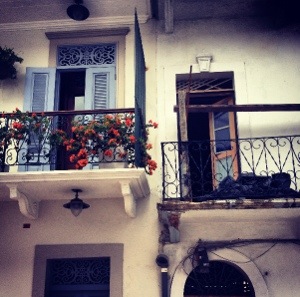
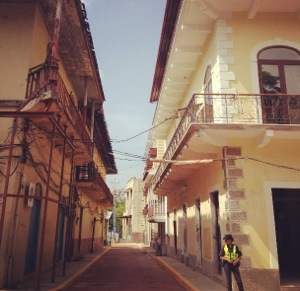
Like many of the homes in Casco Viejo, Amor’s front door opens directly to the sidewalk. This door is the threshold to her living room which is also, as far as I can tell, a bedroom, a dining room, and a closet space. In it is a sofa, a television, a table. I’ve never been inside, but one doesn’t need to look past much to see what’s there because it’s so exposed to the street. Nearly everyday, while walking around the hood, I just happen to look directly into someone’s home, one meter from where I stand, catching them taking a bite of food, or caring for a baby, or zoning out to the tv in their boxer shorts. While I feel almost embarrassed or guilty for accidentally catching a glimpse of what many consider “private” they, meanwhile, seem unphased by the fact that the world is literally passing right by their front door. It amazes me and humbles me, and it is one of the reasons why I love my neighborhood.
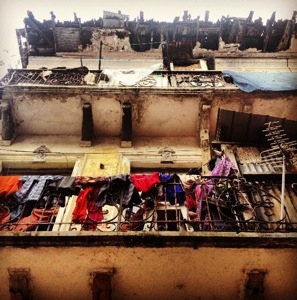
In this neighborhood, as it is today, I can walk out the large front doors of a student’s home full of art and gardens and a staff of employees, only to look directly next door at the adjoining building and see a toddler in just a nappy, sitting on the floor of his house with only a bed sheet hanging on a line separating him from the bedroom. It’s such a clash that at times it still feels new to me. It is a contrast that I didn’t grow up with. In the United States, it’s obvious when I’m in a rich neighborhood and when I’m in a poor neighborhood. The discrepancies are blatant when crossing from one neighborhood to the next. In Casco Viejo, it’s a mishmash of socio-economic cultures coming together in an interesting, safe, and unique way. It feels to me the way a city should feel: a relevant urban organism, about the people and for the people. But I know this won’t last.
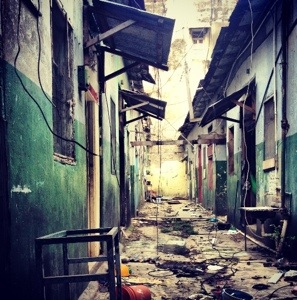
In only the three years that we have lived here in Casco Viejo, the neighborhood has under gone incredible growth. The amount of construction, restorations, improvements, and overall development happening in an already established neighborhood, is astounding. During all of this, I’ve watched families of squatters get evicted and displaced, sent somewhere to the interior of Panama, far from the only neighborhood they’ve ever known. I’ve bought food for a girl whose family was on the street for a week because their deteriorated roof collapsed, and although they are living there again, I can only imagine under what conditions. I’ve returned from vacation only to learn that the family of a little girl named Sofi that Joaquin loves, has been kicked out and there’s nothing left but a construction company’s sign posted on the balcony that she used to call down from.
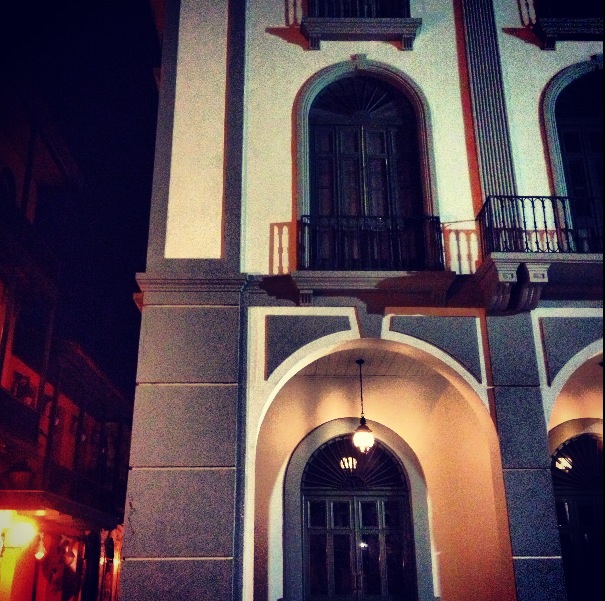
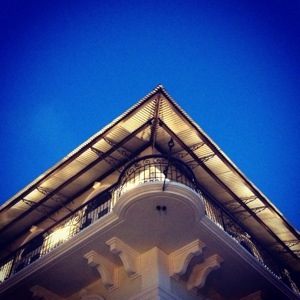
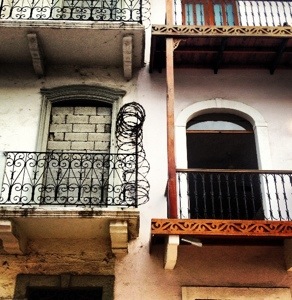
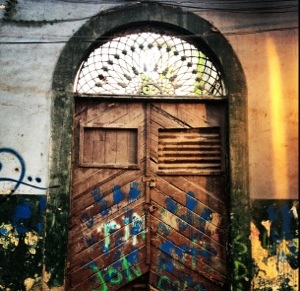
I am conflicted by the issue of gentrification. I see a huge need, both historic and aesthetic, to retain the gorgeous architecture of Casco Viejo. While there is a beauty in so many of the dilapidated old buildings, it is in fact a safety hazard as well as an insufficient use of urban space. For that reason, I love to see buildings remodeled, while carefully retaining even the smallest, most intricate touches of the original structure. I feel proud to know that Casco Viejo is being recognized for the incredibly special place that it is. I love trying out new bars and restaurants and cafés as they pop up here and there; it makes MY life more comfortable, easy, and enjoyable. And yet, with every restoration comes a transformation from old to new. Someone is displaced, a business replaced, a neighbor gone. Rent prices are beginning to soar so high that if my family were to look for a place to live now, it’s almost guaranteed we wouldn’t be able to afford it. So what happens next? Suddenly only the rich move in, enjoy this lovely space, build their businesses and keep getting richer?
I keep thinking about Amor, about her experience living here when Casco Viejo was not only unpopular but considered the most dangerous part of town. I want people like Amor to still be a part of Casco Viejo not only because this is her home, but because there are proven systems referred to as “pepper salt” which build social housing alongside private homes in an architecturally symbiotic way. Instead of ghettoized housing estates removed and excluded from urban spaces, why not make architectural preservation go hand-in-hand with socio-economic, cultural diversity? I want to see Casco Viejo preserved not only physically, but socially. I want to return here one day when I’m old and still feel the same vibrations, the same vibrant soul and individuality that is so inherent now. If not, we will slowly create a deeper divide, severing a true mixity of life here that makes Casco Viejo what it is.
I would like to credit a wonderful lecture I attended in Casco Viejo last night, for my inspiration to write this post. Lecture & Fifth-Year Architecture Student Charrette Presentation
A Holistic Development of a Historic Neighborhood
Urban and Architectural Intervention: Social Housing and Pedestrian Life, Avenida Central
12 comments for “Restoration for the People”